Módulos dinámicos de la madera de 17 especies determinados por vibraciones longitudinales.
DOI:
https://doi.org/10.5377/ceiba.v0i0846.8822Palabras clave:
método del elemento finito, vibraciones longitudinales, frecuencia de vibración.Resumen
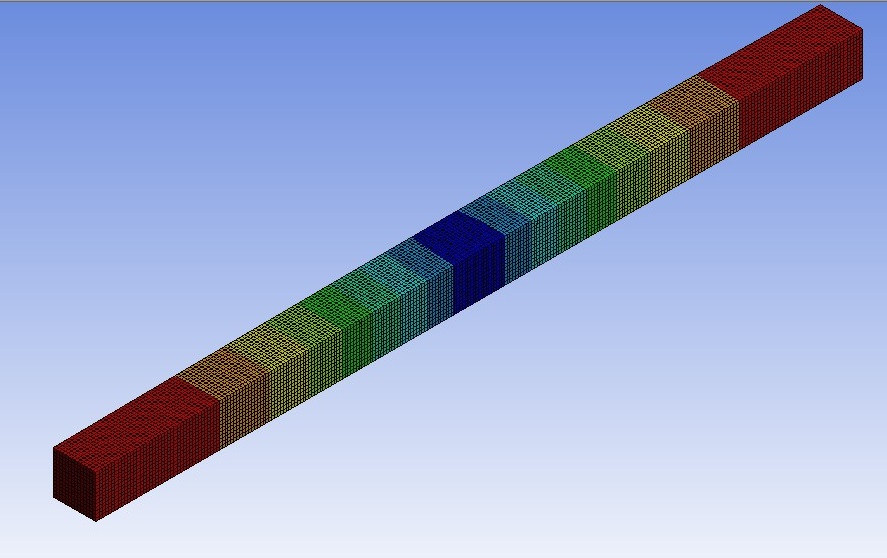
Los objetivos de la investigación fueron determinar el módulo de elasticidad dinámico por vibraciones longitudinales de 17 maderas, verificar los resultados experimentales con estimaciones empleando el método del elemento finito y contrastar los resultados con datos publicados. La hipótesis de trabajo propone que a medida que la densidad aparente de una madera aumenta, la magnitud de su módulo dinámico es mayor. Se realizaron pruebas de vibraciones longitudinales con 35 probetas de pequeñas dimensiones de 17 tipos de madera y se efectuaron modelados con el método del elemento finito. Las variables de respuesta fueron densidad aparente, frecuencia experimental y numérica, y el módulo dinámico. No se encontraron diferencias estadísticamente significativas entre las frecuencias experimentales y las numéricas. La densidad aparente correlaciona bien con el módulo dinámico. La magnitud del módulo dinámico de las 17 maderas estudiadas es similar al de las especies con densidades aparentes parecidas y reportadas para otras maderas. Los resultados son válidos para modelado con probetas de pequeñas dimensiones y en pruebas de vibraciones longitudinales descritos en esta investigación. Para el caso de estudios con piezas de madera de grandes dimensiones, se recomienda realizar estudios específicos.
Descargas
1125