Dynamic modules of the wood of 17 species determined by longitudinal vibrations
DOI:
https://doi.org/10.5377/ceiba.v0i0846.8822Keywords:
finite element method, longitudinal vibrations, vibration frequency.Abstract
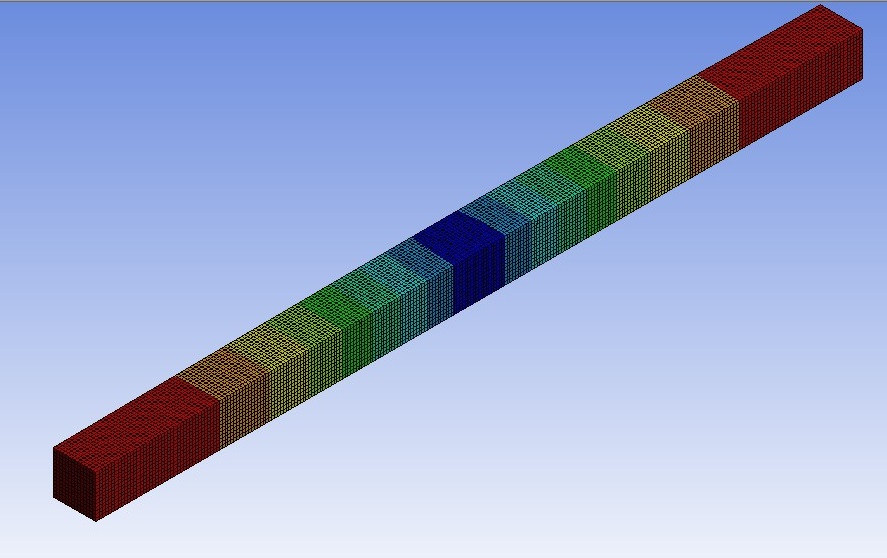
The objectives of the research were to determine the dynamic elastic modulus by longitudinal vibrations of 17 woods, to verify the experimental results with estimations using the finite element method and to contrast the results with published data. The working hypothesis proposes that as the apparent density of a wood increases, the magnitude of its dynamic modulus is greater. Longitudinal vibration tests were carried out with 35 small specimens of 17 types of wood and modeling was performed using the finite element method. The response variables were bulk density, experimental and numerical frequency, and dynamic modulus. No statistically significant differences were found between the experimental and the numerical frequencies. Bulk density correlates well with dynamic modulus. The magnitude of the dynamic modulus of the 17 woods studied is similar to that of the species with similar apparent densities and reported for other woods. The results are valid for modeling with small-dimension specimens and in longitudinal vibration tests described in this investigation. In the case of studies with large pieces of wood, it is recommended to carry out specific studies.
Downloads
940