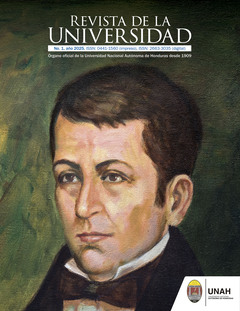
Ideología Liberal y modernización urbana: las reformas de Marco Aurelio Soto en Tegucigalpa (1876-1883). Una aproximación histórica
DOI:
https://doi.org/10.5377/ru.v1i1.21489Palabras clave:
liberalismo, positivismo, higienismo, modernismo, TegucigalpaResumen
El propósito de este estudio es analizar la influencia del liberalismo y la filosofía positivista en las élites del siglo XIX y inicios del XX en Latinoamérica, con énfasis en Honduras dentro del contexto centroamericano, en este sentido, se examinan los elementos claves, externos e internos como el apoyo político de Justo Rufino Barrios, la estructura jurídica de la tenencia de la tierra, el traslado de la capital tras el ascenso al poder de Marco Aurelio Soto y Ramón Rosa, así como los antecedentes de las políticas de higienismo en Honduras y posteriormente Tegucigalpa como sede del gobierno entre 1876-1883.
Este proceso de reformas condujo a la implementación de infraestructura sanitaria, como hospitales, cementerios y cárceles, así como en la creación de espacios públicos destinados a la recreación, como plazas y paseos. la influencia de los higienistas entre ellos arquitectos, médicos y policía al servicio del Estado, fue fundamental en este desarrollo. De este modo, es posible comprender la relación entre el discurso del progreso y las prácticas de regulación urbana, así como la exclusión social en la construcción del Estado-nación, la consolidación del liberalismo y la integración con el mercado mundial capitalista.
363
Descargas
Publicado
Cómo citar
Número
Sección
Licencia
Derechos de autor 2025 Revista de la Universidad

Esta obra está bajo una licencia internacional Creative Commons Atribución-NoComercial-CompartirIgual 4.0.


